Disclosure: As an Amazon Associate we earn from qualifying purchases. Some links below are affiliate links. See our full disclosure.
If your pantry is a single closet, a slim cabinet, or a couple of shelves next to the fridge, you do not need a walk-in reno. You need a system that fits a small footprint and survives a busy week.
This guide walks you through a one-afternoon small pantry organization method used by renters and small-home owners: zones, containers, and a restock rule that stops duplicate buys.
Why small pantries fail (and how to fix them)
Most tiny pantries fail for three reasons:
- No zones — snacks, baking, and cans fight for the same shelf
- Opaque packaging — you forget what you own
- Deep shelves — items die in the back row
The fix is not “buy every organizer on Amazon.” The fix is visibility + zones + one restock day.
Step 1: Empty and sort (20 minutes)
Pull everything out. Group into:
- Breakfast
- Snacks
- Cans & jars
- Pasta / grains
- Baking
- Oils / vinegar / sauces
- Expired / donate
Trash anything past date. Be honest about what you never cook with.
Step 2: Measure once
Measure shelf width, depth, and height between shelves. Buy bins that leave 1 inch of air on each side so they slide out cleanly.
Step 3: Create 5 zones (the core system)
| Zone | Where | What goes here |
|---|---|---|
| Daily | Eye level | Coffee, oats, weekday snacks |
| Cooking | Mid shelves | Pasta, rice, oils, sauces |
| Baking | Lower or side | Flour, sugar, mixes |
| Backup | Top / hard to reach | Extra cans, bulk packs |
| Overflow | Door or floor basket | Paper goods, rare items |
Step 4: Choose the right products (budget list)
You do not need a full matching set. Start with these:
- Clear airtight jars — grains, pasta, cereal (you see stock at a glance)
- Lazy Susan — oils, sauces, spices on deep shelves
- Open bins — snacks and kids items (easy grab)
- Shelf risers — doubles vertical space for cans
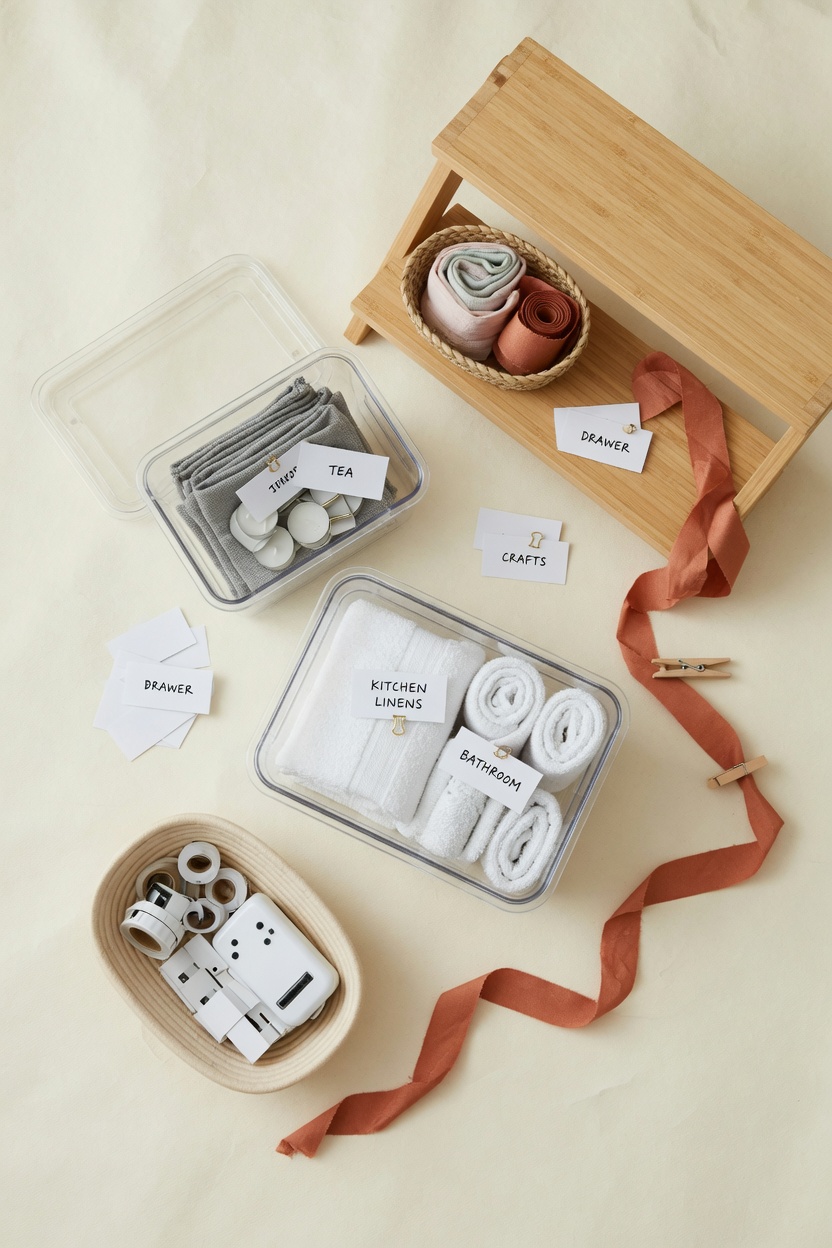
- Labels — zone names + “use first” tags
Tap a product to compare options that fit your shelf measurements. As an Amazon Associate we earn from qualifying purchases.
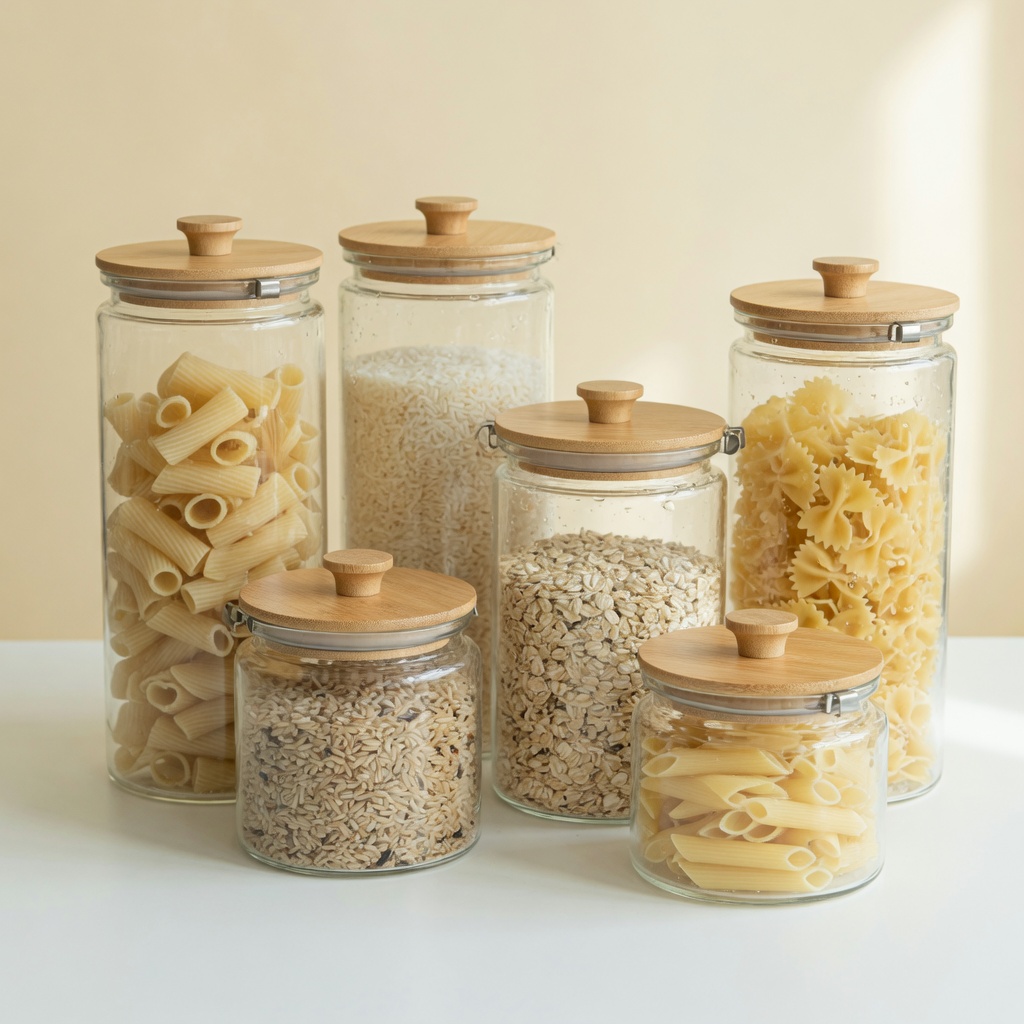
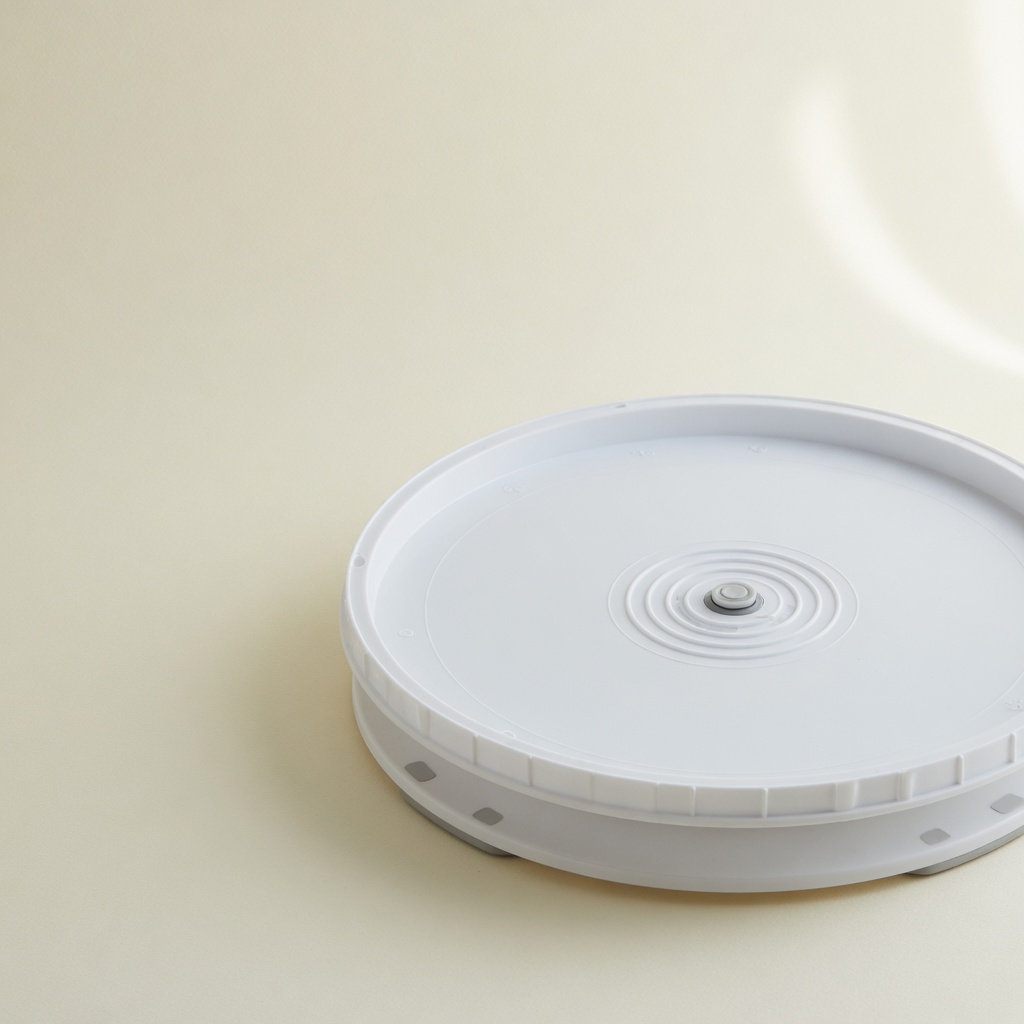
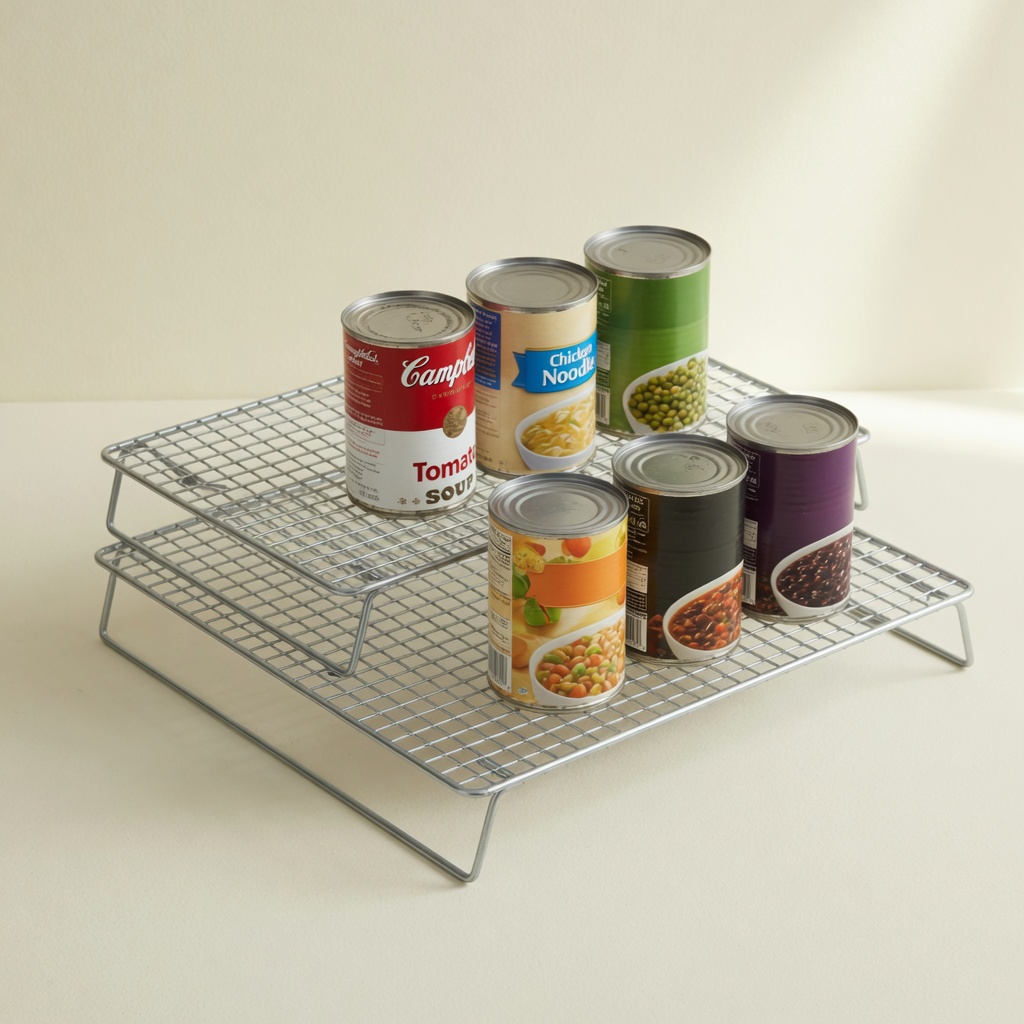
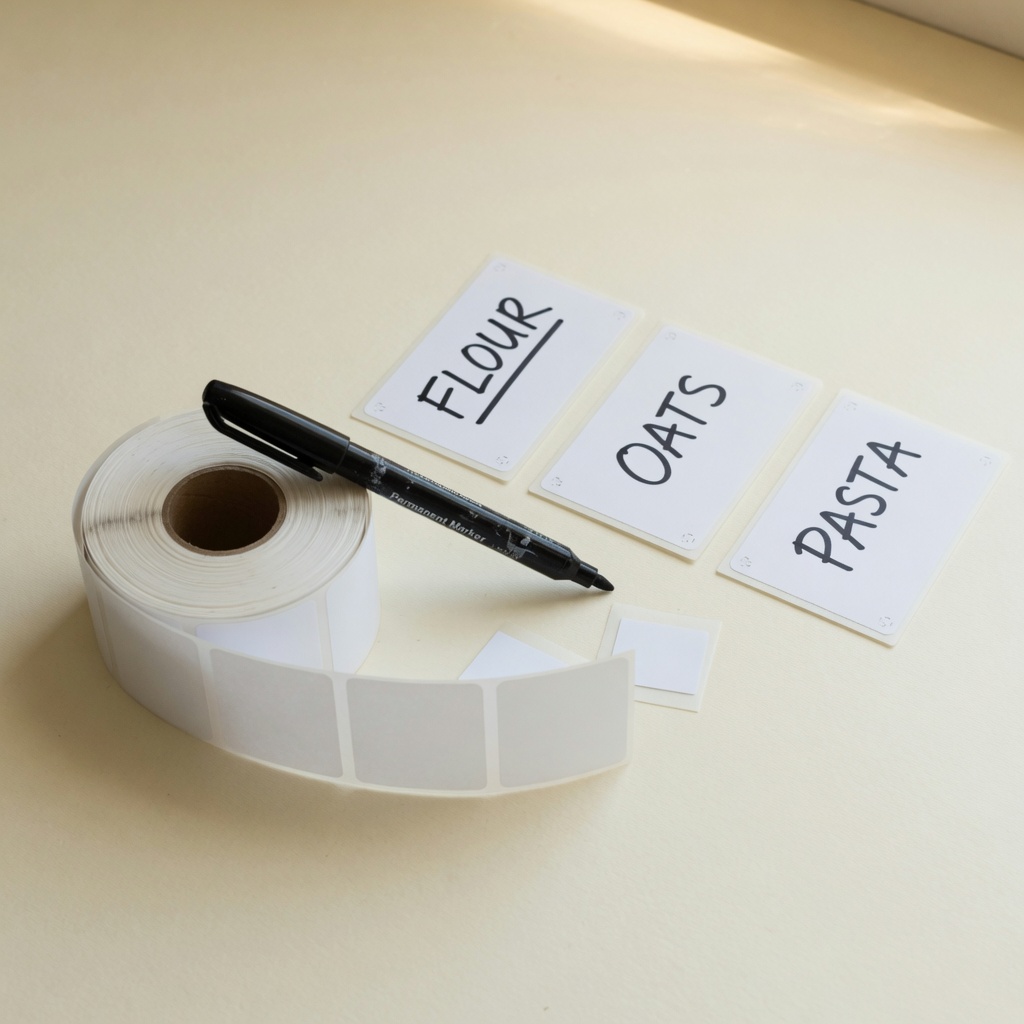
Sample shopping list (under ~$50–80)
| Item | Why | Price band |
|---|---|---|
| 6–8 clear containers | Visibility | $15–25 |
| 1 lazy Susan | Deep corner access | $10–18 |
| 2 shelf risers | Can stacking | $12–20 |
| Label kit | Zones stay honest | $8–15 |
Step 5: Restock rule (keeps it clean)
Every Sunday:
- Face labels forward
- Move oldest items to the front
- Write a 5-item grocery restock list from empty zones only
This is the difference between a Pinterest pantry and a real one.
Small pantry organization ideas by layout
Closet-style pantry
- Vertical shelf risers for cans
- Door rack for spices (if allowed in rental)
- Floor bin for potatoes/onions if cool and dark
Cabinet pantry (no door walk-in)
- Stackable bins only — no tall jars that block
- Turntables on every deep shelf
Open shelves
- Matching jars for the “pretty” row
- Hide bulk backups in a lower closed cabinet
Common mistakes to avoid
- Buying bins before measuring
- Storing everything in original cardboard (hides volume)
- Over-labeling every spice on day one (start with zones)
- Filling the top shelf with daily snacks (use eye level)
FAQ
How do I organize a small pantry with no money?
Start with cardboard boxes cut as bins and free labels. Zones matter more than containers.
What is the best way to organize a tiny pantry?
Five zones + clear containers for daily staples + a lazy Susan for liquids.
How often should I reorganize?
Full reset seasonally; face-and-restock weekly.
Next steps
- Block 90 minutes this weekend
- Empty → zones → containers
- Save this guide and pin your “after” photo
As an Amazon Associate we earn from qualifying purchases.